 Login
Login 
Different Starting Points, Shared Aspirations: Four Young Africans Changing What Comes Next
- 12 Aug 2026
TL;DR
From Lagos to Nairobi, Cairo to Zimbabwe, four young Africans started from very different circumstances, connected by a shared desire for opportunity, personal growth, and the ability to shape what came next in their career. Their journeys show what can happen when skills, community, and opportunity meet ambition and when that progress eventually creates new opportunities for others.
A young person in Lagos might be teaching themselves to code alone. In Nairobi, another might be sitting in a university lecture while wondering how to turn their degree into an income online. In Cairo, someone might have the skills and ambition to work globally but no clear pathway into the digital workforce. In Zimbabwe, another might be looking for a way around the cost of the qualification they originally wanted.
In all of these cases, their circumstances are different. Their starting points are different. Even the futures they imagine for themselves may look different.
But ask what they are working towards, and the answers begin to converge: the opportunity to learn, earn, grow and have more agency over what comes next.
That is the idea at the heart of International Youth Day 2026, and it points to a bigger question about youth opportunities in Africa and how young people access them. The theme recognises that young people across the world experience very different realities while sharing many of the same hopes for opportunity, decent work, education and a better future, which is a theme that resonates strongly with International Youth Day Africa conversations around access and inclusion.
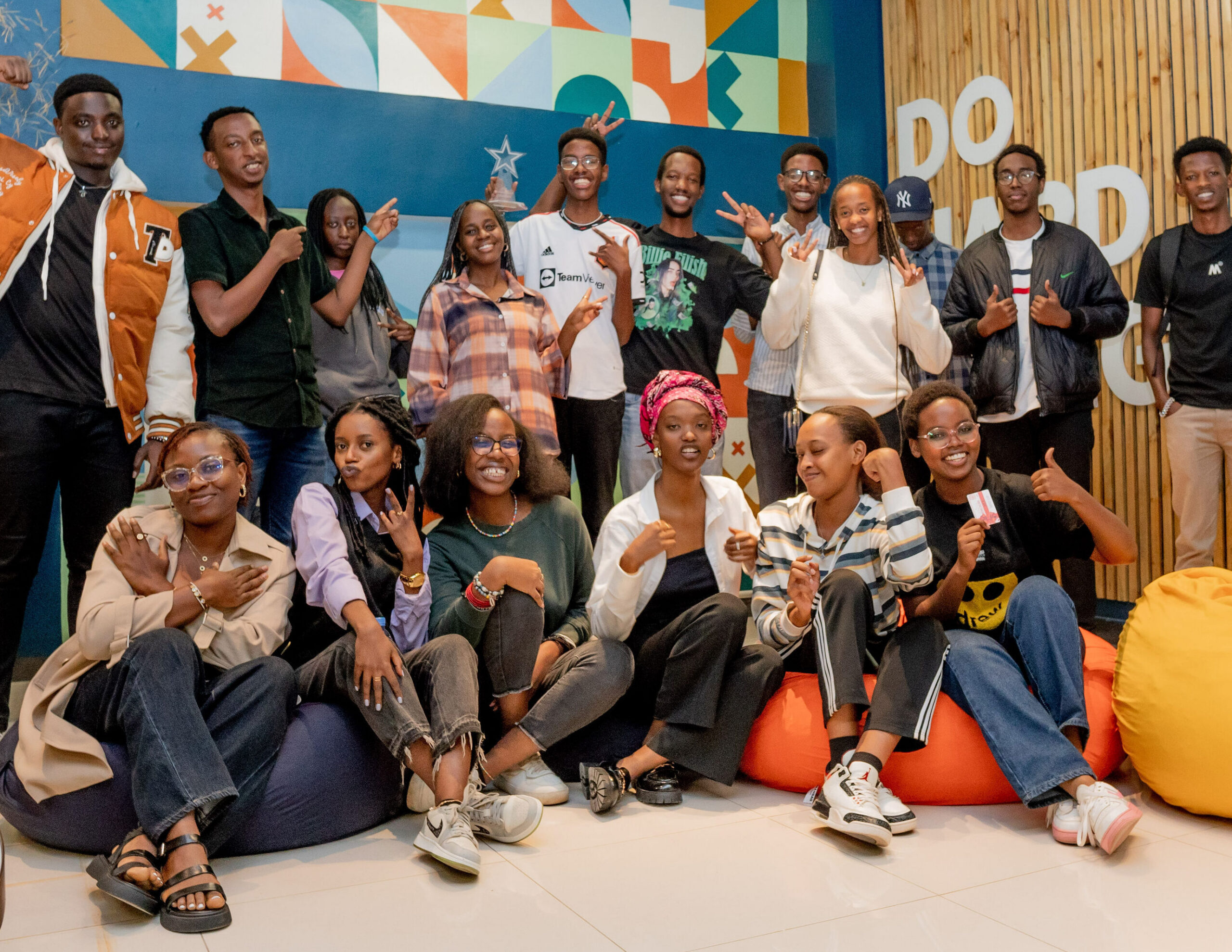
The journeys of David Orisabiyi from ALX Nigeria, Michael Muchugia from ALX Kenya, Mariam Abdrabu from ALX Egypt and Tarisai Mhlanga from Tanzania offer a distinctly African perspective on that idea.
What Different Starting Points Do Young Africans Face?
David's starting point in Lagos,Nigeria was largely solitary. Teaching himself software development, he could spend days or even weeks working through problems without a mentor, peer or community to help him get unstuck. He was progressing, but the journey was slow and isolating.
Michael was approaching the challenge from another direction. While completing a finance degree in Nairobi, he wanted to find a way to work online. He experimented with microtasks and surveys but knew he needed a real, transferable skill he could offer to clients.
In Cairo, Mariam had already spent years volunteering, leading community initiatives and developing her skills as a graphic designer. Her challenge was not a lack of ambition. It was finding a structured pathway into the global digital workforce.
For Tarisai in Zimbabwe, the barrier was more immediate: the diploma she wanted was financially out of reach. She had identified a skills gap and was looking for another way to close it.
Four contexts. Four different barriers. One underlying question: What can I do to move forward?
How Do Young Africans Begin Building New Skills?
Skills development for African youth became the way to turn that question into action.
David found more than technical resources when he joined ALX. He found a network. The community gave him peers to build alongside, conversations that helped him solve problems faster and an environment where he could both receive and offer support.
That support became part of his own development. He began helping other learners navigate technical challenges, turning a once-solitary learning experience into a shared one.
Michael approached learning with a similarly practical goal. He wanted something he could actually sell as a service. Through ALX's Virtual Assistant programme, he learned not only the tools of the work but how to research, position himself and approach online work with intention. He began applying while still learning and landed his first client before completing the programme.
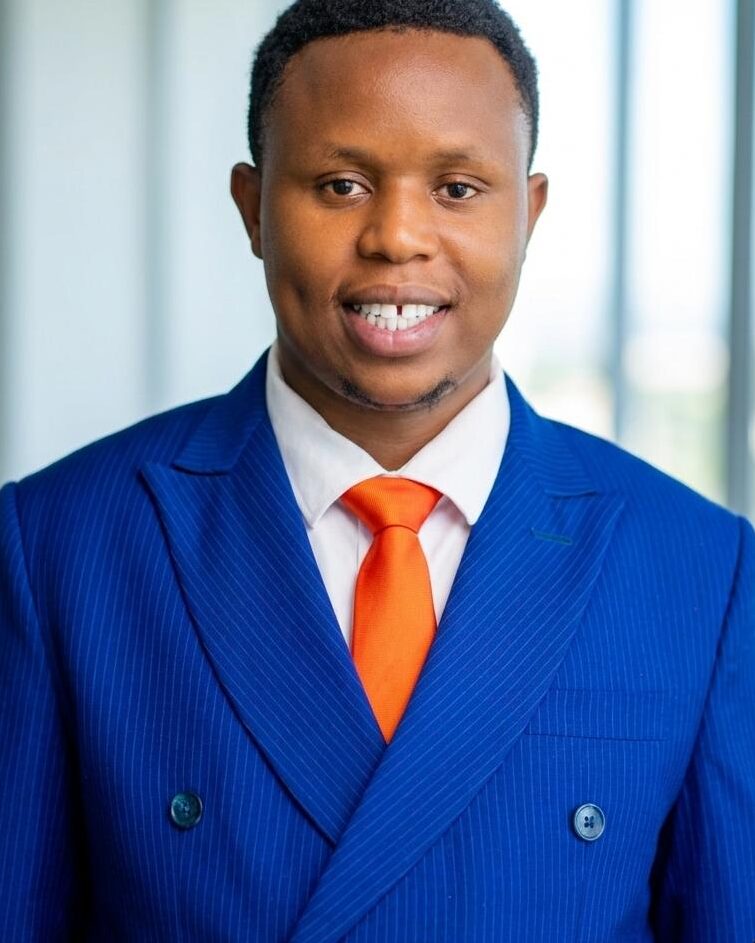
For Mariam, combining AI Career Essentials with the Virtual Assistant programme helped bridge the distance between her communications background and the requirements of modern digital work. She developed new technical and professional skills and moved into her first Virtual Assistant role.
Tarisai found a structured, peer-supported learning environment that helped her move beyond simply completing tasks. The accountability of her cohort and the support she gave other learners became part of the discipline she carried into her professional life. The skill itself mattered, but what it represented mattered just as much: a new option.
What Opportunities Can Skills Development Create for African Youth?
Learning did not lead all four people to the same destination, which is exactly what makes their stories worth telling together.
For David, learning eventually translated into his first job and freelance opportunity through connections within the ALX network. He joined Fez Delivery as a Software Engineer in 2025 and was promoted to Senior Software Engineer in 2026, shipping and maintaining production-grade systems at scale, with direct impact on real user experiences.
For Michael, the goal of working online became a career. He built a freelance Virtual Assistant practice from home, eventually working with multiple clients, including clients in finance where his degree gave him an additional advantage. His work became international without requiring him to leave Nairobi.
Tarisai's own route took her to an Australian digital marketing agency, where she worked remotely as a Communications Officer. Over 18 months, she earned $8,100 through ghostwriting and community management. What began as an alternative to an unaffordable diploma became international work and a foundation for the digital skills training she now provides through her own platform.
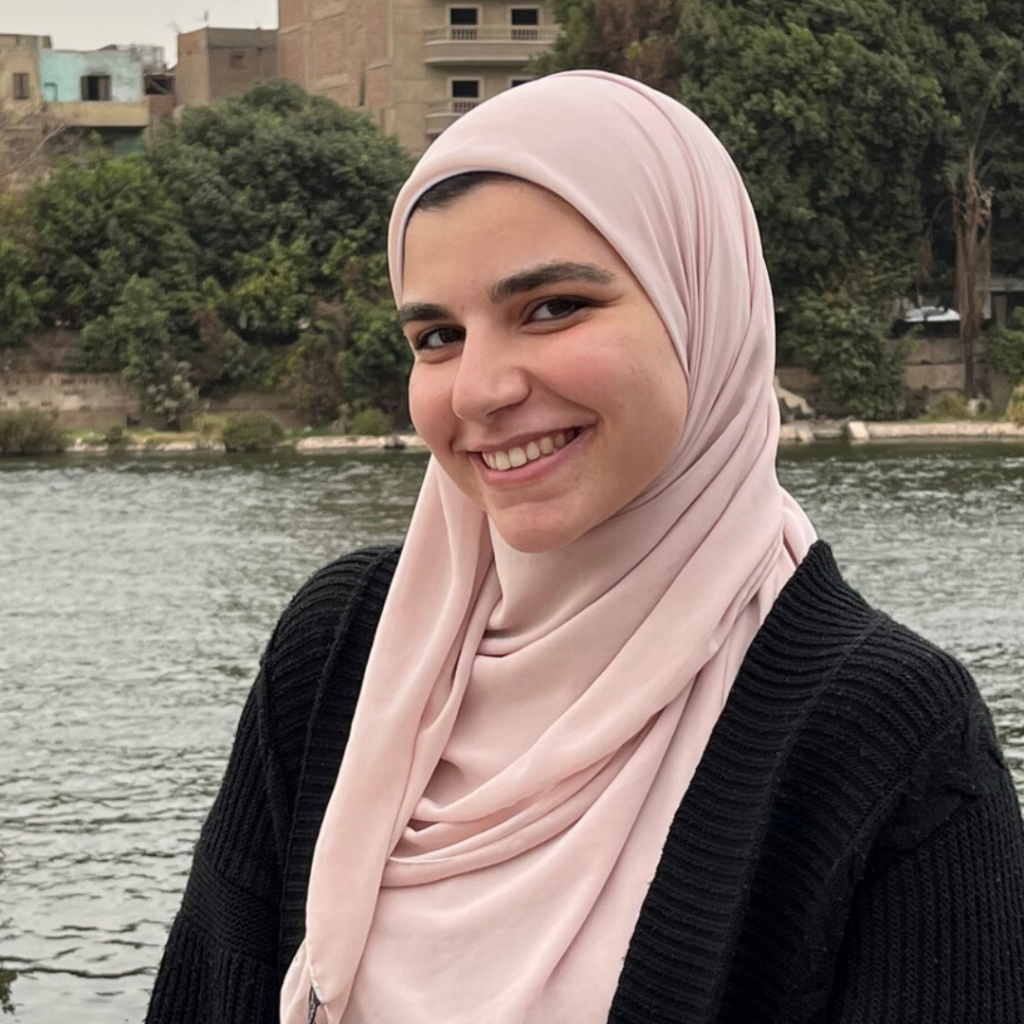
Mariam's journey took another turn. After securing work as a Virtual Assistant, she moved into education and community-building. She worked as an English Tutor with ALX Egypt and later founded The Meem English Community, creating a space where young professionals and students can strengthen practical English skills for remote work and international collaboration.
None of these outcomes needed to be identical to count as progress. And they did not need to be. Opportunity took different shapes for each of them: a senior engineering role, an international freelance career, a community built from scratch, or a way to turn personal learning into teaching others.
The common thread was the expanded ability to choose a destination in the first place, thanks to their individual experiences at ALX.
How Does One Person's Opportunity Create Opportunity for Others?
Perhaps the most revealing part of these stories comes after the first breakthrough.
David began helping other learners because he knew what it felt like to struggle alone.
Michael, after figuring out the challenges of positioning himself and finding clients online, joined two fellow alumni to create a six-week mentorship programme. By the end of it, three alumni had landed new clients.
Mariam turned her own experience with language and digital work into The Meem English Community, helping others develop the communication skills needed to participate more confidently in remote and international work.
Tarisai now teaches digital skills through her community while preparing to continue her own entrepreneurial journey.
Their stories show how one person's opportunity can become another person's starting point.
That matters because young people are not simply recipients of opportunity. They are also participants in shaping their communities and the futures around them. The UN's 2026 International Youth Day message similarly emphasises young people's role in creating solutions, strengthening communities and shaping the future.
What Do Different Journeys Have in Common for Africa's Youth?
David, Michael, Mariam, and Tarisai did not begin with the same resources, the same ambitions or the same definition of success.
David was learning alone, Michael was searching for a way to earn online, Mariam was looking for a pathway into the global workforce, and Tarisai was trying to work around the cost of traditional education. Each found a way to take the next step, which is what makes their stories relevant beyond International Youth Day itself.
Young Africans building careers today do not need to follow one prescribed path to share the same underlying aspiration. They can be engineers, freelancers, founders, educators, community leaders, or something that does not yet have a name. What matters is access to real career opportunities for young Africans, and the ability to keep moving towards the future they want.
This International Youth Day, we're celebrating what young people can make possible from wherever they stand.
Your starting point is only part of the story, and your next chapter could start with a single skill.
Are you ready to get started? Explore ALX programmes to develop practical, career-relevant skills across technology, AI, data and other growing fields.
FAQs:
What is International Youth Day?
International Youth Day is a UN-recognised observance held annually on August 12, highlighting the role young people play in creating solutions and shaping their communities and futures.
What does "Different Contexts, Common Aspirations" mean for International Youth Day 2026?
The 2026 theme recognises that young people around the world face very different circumstances, but often share the same hopes for opportunity, decent work, education and a better future.
What career opportunities are available for young people in Africa?
Career opportunities for young Africans increasingly extend beyond traditional academic routes, including freelancing, remote work, entrepreneurship and skills-based training in areas like software development, digital marketing and virtual assistance.