 Login
Login 
Women in Tech, Built in Africa: The Outcomes Speak for Themselves
- 29 Apr 2026
There is a moment every woman in a male-dominated industry recognises. You have done the work, got the credential, and cleared the obstacle everyone said would stop you. Then, you take a look around and realise: the gap you crossed is still there, waiting to stop the next woman in line.
Your instinct in that moment is the true test.
This question sat at the heart of this year’s Women’s Month Event at ALX, held under the theme Beyond the Breakthrough. In a virtual session, we gathered hundreds of learners, alumni, and industry leaders to thread the needle between arriving success and the importance of understanding what comes next.
The answers they gave were specific, verifiable, and clear. In several cases, the women highlighted were already breaking down barriers for others as they paved the way and carried the torch for the next generation of women leaders in Africa.
The Numbers Behind the Conversation
First, let’s start with what the ALX ecosystem has produced. Of the 347,100 graduates, 55% are women. (That’s nearly 192,000 people, for those keeping track!) Of the 257,900 ALX-trained young Africans now in dignified jobs, 45% are women. Over 72,000 of these women are in salaried employment. Nearly 18,000 women in our ecosystem have been supported as entrepreneurs, and the ventures they founded have created over 24,500 jobs for others between them.
That last figure is the one worth sitting with. It proves that when one woman gets the skills and the support to build something, she rarely builds it only for herself. She keeps the door open. The return compounds. Opportunities multiply.
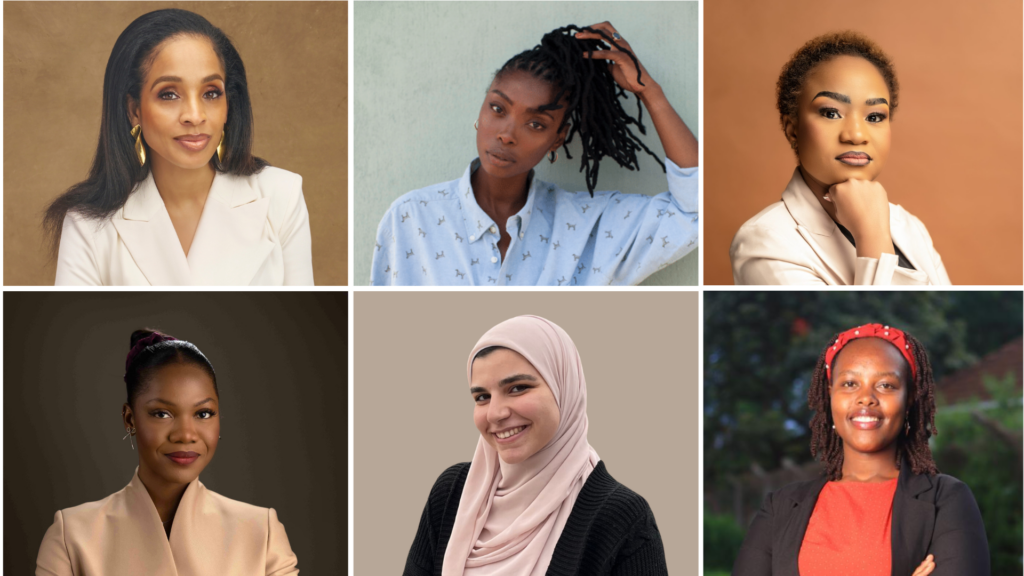
The four women who took the stage at this year's event are proof that one empowered woman can create a ripple effect of change across communities.
What 4 ALX Alumni Built After Their Breakthrough
Philile Ngubane, South Africa
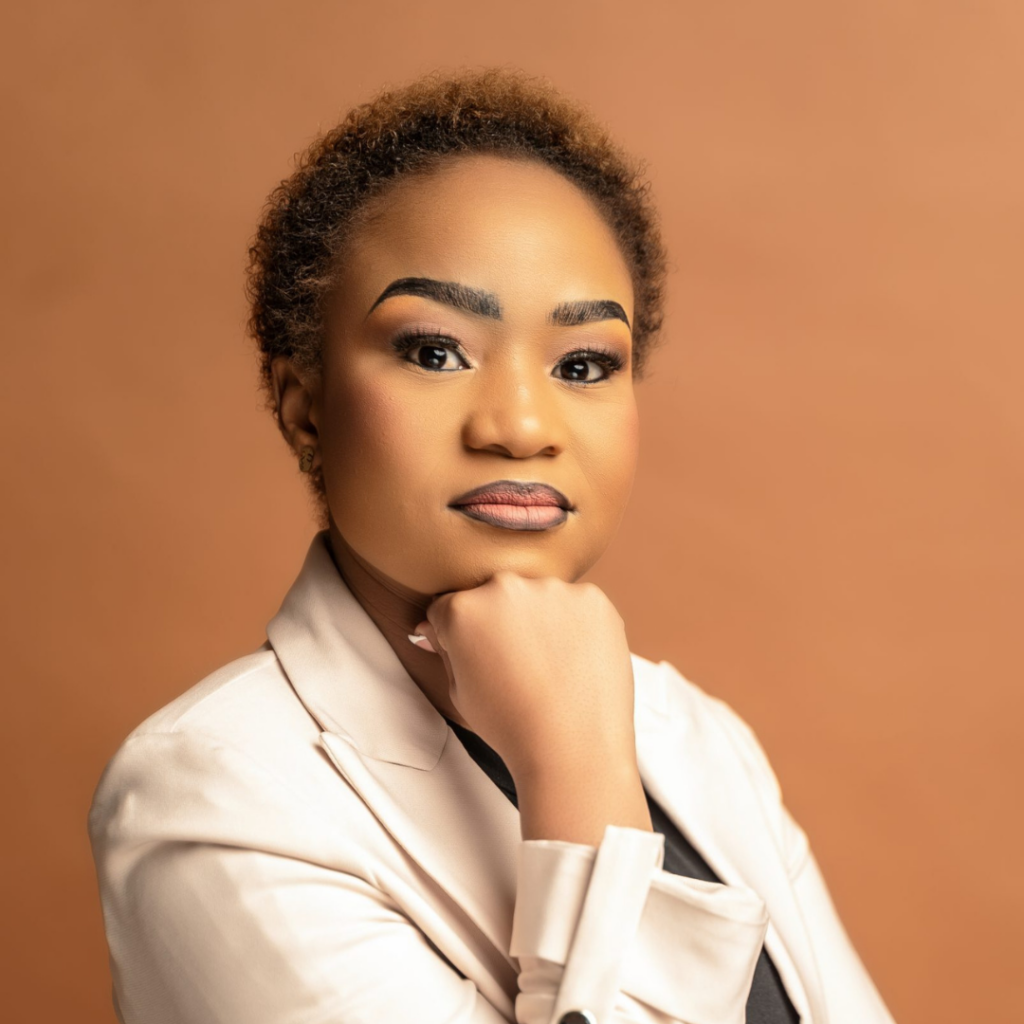
Philile came into the ALX ecosystem as an entrepreneur who was just getting by with an idea that had real potential. After her training, she was the one who was empowered to lead. The distinction matters to her.
Today, she runs The Office Ship, an operational solutions company. The way she describes her ambition has shifted accordingly: "I am no longer building a small service business. I am building an operational solutions company. I am focusing on scale, partnerships, and structured growth."
For Philile, that personal shift comes with a responsibility. Africa's future, she told the audience, will not be built by people watching from the sidelines. She is now focused on being the one building capacity, scaling her company, and creating career opportunities for people in her network.
Juanita Gyamfi, Ghana
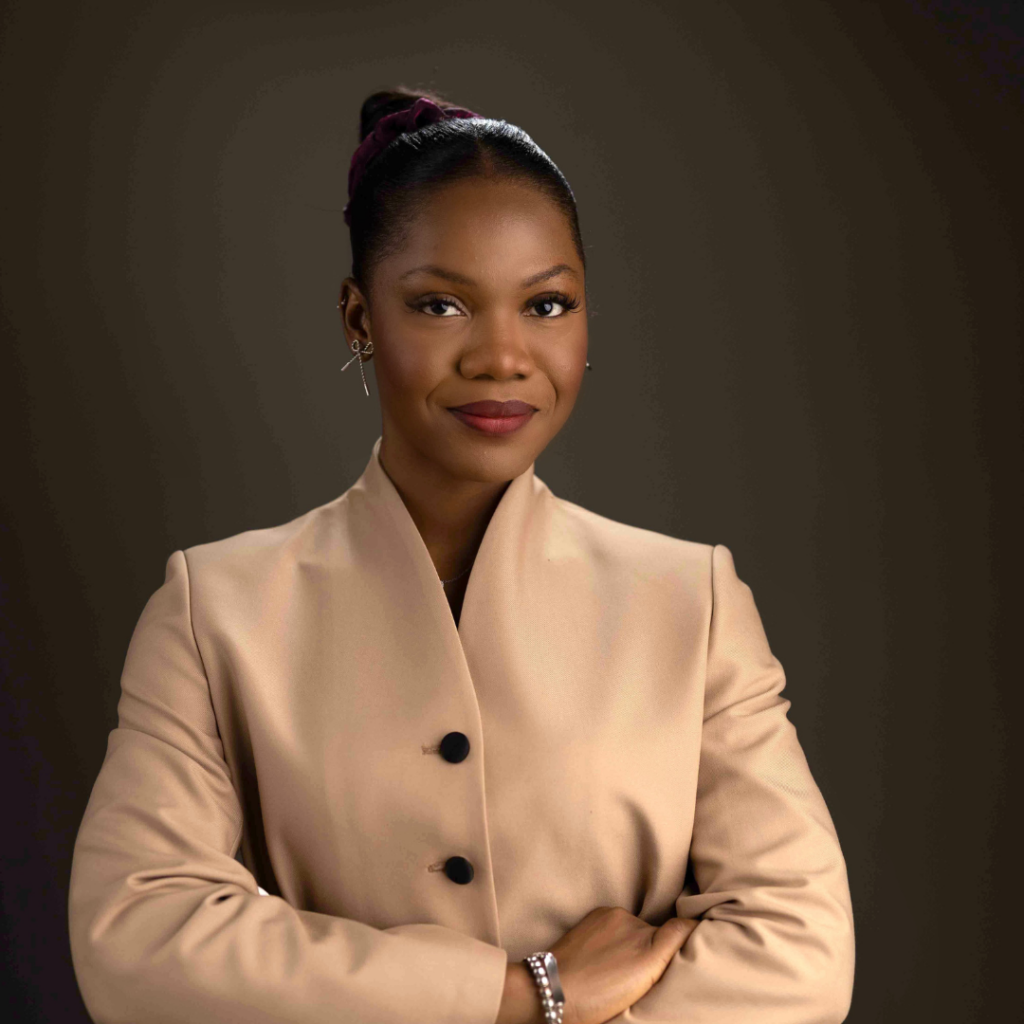
Juanita spotted something that most technical training programmes miss entirely. The skills gap in Africa is real, but underneath it sits a softer, harder-to-name problem: the gap between competence and presence.
"Most of the people interested in technical skills lack soft skills," she said. "I was very happy to see that ALX took soft skills very seriously."
That observation became the foundation of the Mind Menders Alliance, the organisation she founded to bring that same emphasis on soft skills to a wider audience. For Juanita, who describes herself as a natural introvert, the transformation was personal before it was professional. The ALX community changed how she shows up for others. On failure, she was characteristically direct: write it down and you can act on it. Movement brings clarity.
In this case, Juanita shows the importance of understanding the impact something small, like learnings soft skills, can have on transforming what is possible for someone. After being inspired by her own transformation, she made it a priority to pass it forward to help as many women as she could transform, too.
Valentine Muriuki, Kenya
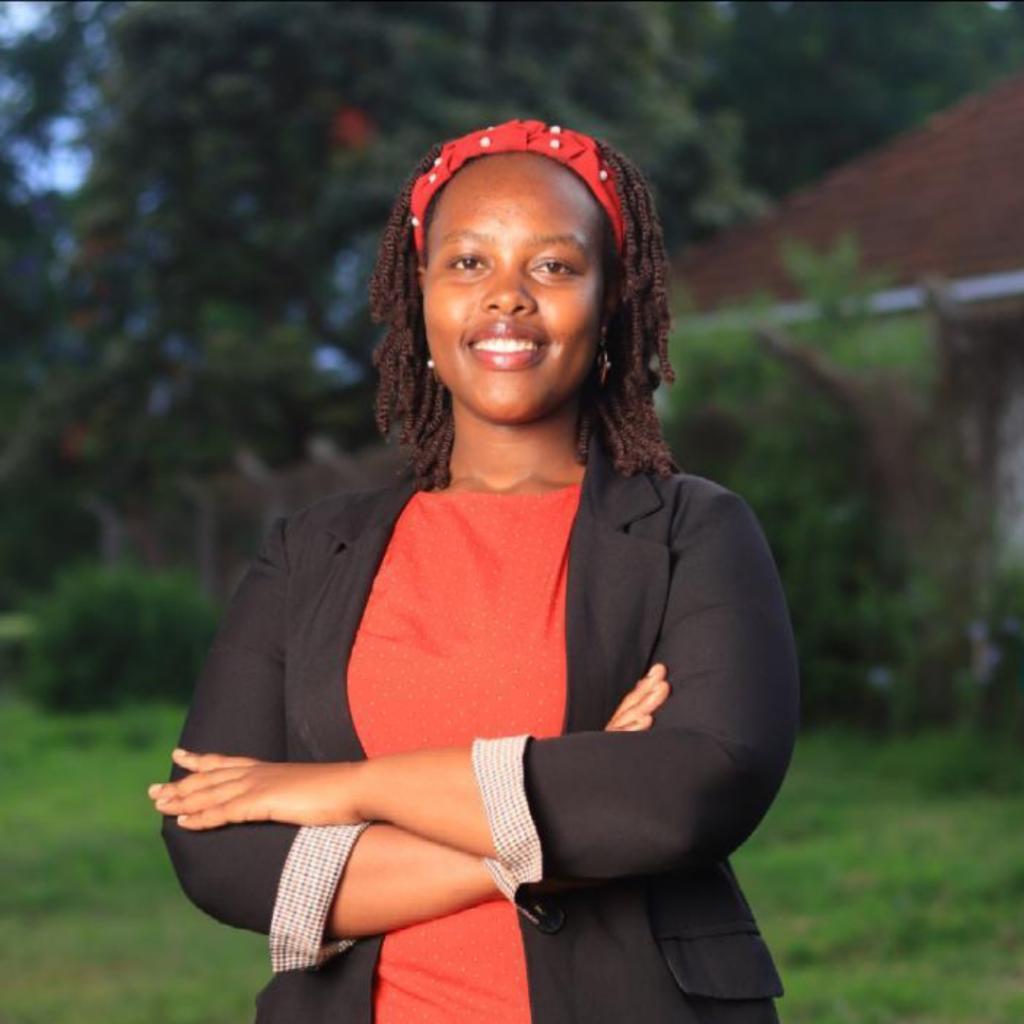
Valentine gave up certainty for possibility, and she will tell you plainly that it was uncomfortable. "When what you're trying to do is new, it can be scary." What she found on the other side was a role as a Salesforce Administrator, working alongside ALX graduates serving companies in the United States, alongside a perspective on success that she now holds herself accountable to:
"The pie is big enough for all of us. Lifting others as we rise creates a ripple effect."
She credits ALX as the launchpad. What she does with it from here, she says, is her responsibility. It is exactly that ripple effect of change that makes facing the fear of the unknown worth it.
Mariam Abdrabu, Egypt
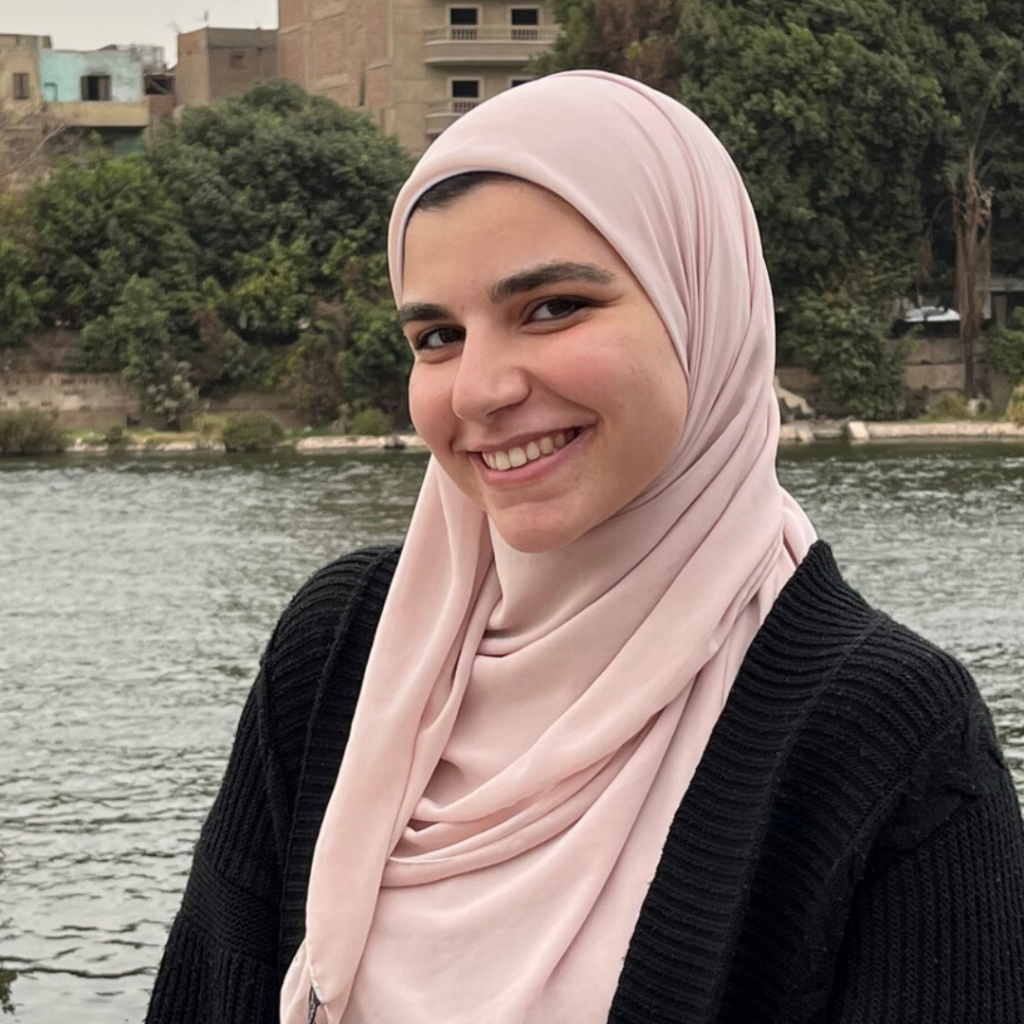
Mariam's breakthrough came with a specific realisation: she could stop being a learner and start being the person who supports them.
The barrier she decided to tackle was a practical one. Technical talent across Africa is not the problem. The ability to communicate that talent to global employers, in English, with confidence, often is. Her response was the Meem English Community, a platform built specifically to bridge that gap for professionals seeking remote roles.
Her advice to anyone waiting until they feel ready carries its own logic:
"Don't wait for the confidence to arrive before you start. Start so the confidence can find you."
The Keynote Address: Redefining Success on African Terms
Ndidi Okonkwo Nwuneli, President and CEO of the ONE Campaign, opened her address with a poignant question the room had to sit with. Simply, “Who defines your success?”
Her argument was that too many young Africans are measuring themselves against frameworks built by and for other people, in other places. She pushed back on a global narrative that still reads the continent primarily through the lens of poverty, and made the case for a different image entirely: the African woman building something, on her own terms, with generational intent. Ndidi knows what that looks like from the inside. She founded the FATE Foundation at 25, a decision that looked unconventional at the time and proved to be one of the best she ever made.
Her point on leadership was precise: trust is the foundation, and real trust makes room for autonomy, independent thinking, and the freedom to get things wrong. Her closing word was on sisterhood, and it landed with weight.
"Your generation is under so much more pressure. Be a sister who shows up. Find that community early in life, and grow and rise together."
She also raised something harder. Africa pays five times more for debt than other regions, a direct consequence of perceived risk that limits what the continent can build and how fast it can build it. The response, in her framing, is collective. "We need to fight for Africa, take back our agency as Africans, and we do this by working together as one."
Why This Matters for Women Considering a Tech Career in Africa
The thread running through every story at this event is the same one running through the veins of our alumni: one person's transformation becomes the starting conditions for the next person's possibility. It is not a coincidence or a side effect. For ALX, it is the model.
South African art activist and slam poet Ashanti Kunene, who opened the event, put it in terms that stayed with the room long after she finished: "Breaking through barriers to success without passing back similar opportunities is merely just arrival. And Africa doesn't need any more people who have merely arrived."
The 24,500 jobs created by female ALX entrepreneurs suggest that the graduates who came before you took that seriously. For anyone now weighing whether to start, ALX programmes are the entry point. What the 192,000 women who graduated before you built with them is the argument.
Ready to Start Your Journey in Africa's Digital Economy?
The evidence is there. The community is real. Join more than 347,000 graduates who are building careers and opportunities across the continent – and across the world.